Our Trials.ai platform is driven by advanced AI technology. It comprises four core elements: our Clinical Studies Ontology, Banzai Data Ingestion Pipeline, Dynamic Data Graph, and MCPs + APIs. Together, they form a robust foundation for an AI-powered clinical information highway.
500K+ BFO-compliant classes integrating CDISC, USDM, HL7 FHIR, SDTM, and NCI standards. The connected knowledge foundation for every insight.
Document digitization and data ingestion via NLP, NER, and LLMs. Transform legacy protocols and study artifacts into structured, queryable data.
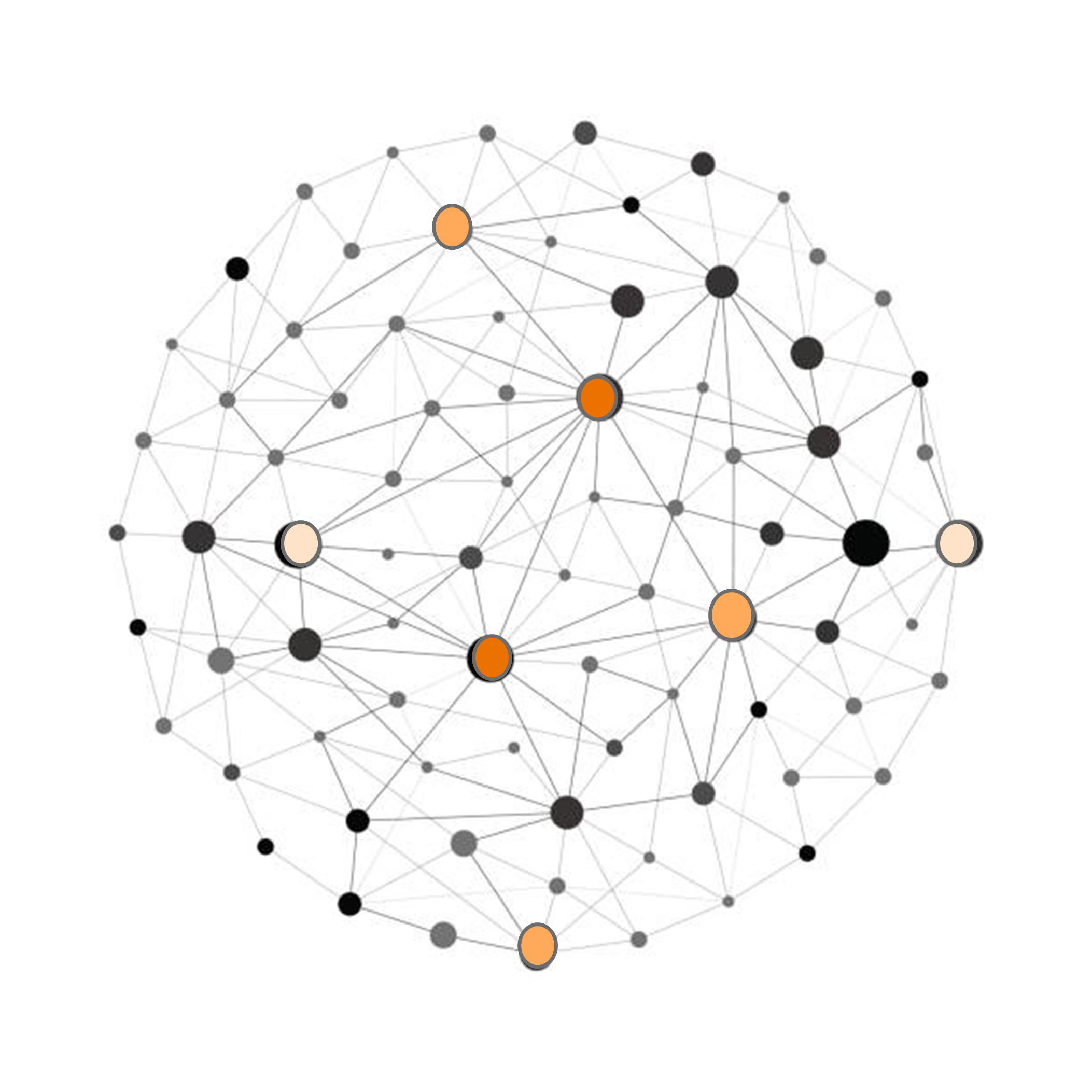
A linked graph of study data nodes connecting documents, standards, and terminology. Enables contextually relevant suggestions in real time.
Integration layer connecting to upstream and downstream systems - IQVIA, Medidata, EDC, eCOA, CT.gov, and your internal tools.
Trials.ai isn't just a tool - it's the foundation for a data-driven clinical development ecosystem. Reduce cycle times, avoid costly protocol amendments, and build a digital data flow that connects study design to execution.
Save up to 8 weeks in study build time with AI-powered design and automated downstream connections.
Build optimized protocols from the start using benchmark data and patient burden scoring proven to correlate with operational outcomes.
Connect study design to 80+ downstream documents and systems, creating a seamless path from concept to execution.
Trials.ai has been an active contributor to the TransCelerate Unified Study Definitions Model (USDM) initiative since its inception. USDM creates a standardized, machine-readable representation of study protocols - the foundation for true digital data flow from concept to execution.
Active participant in USDM working groups from day one, helping shape the standard that powers next-generation protocol automation.
Our Clinical Studies Ontology aligns with USDM concepts, enabling seamless translation between our platform and industry standards.
USDM compatibility ensures your study data flows to regulatory submissions, eClinical systems, and analytics platforms without friction.
For CIOs in life sciences, the hardest problem is not AI - it is data readiness. Clinical development organizations generate vast volumes of high-value documents: protocols, amendments, CSRs, investigator brochures, regulatory guidelines. Yet most of that knowledge lives in PDFs and Word files, inaccessible to enterprise systems and invisible to AI.
Trials.ai solves this at the source. Our Banzai ingestion pipeline transforms unstructured clinical documents into structured, standards-mapped data assets - integrated directly with your enterprise architecture through a robust API and MCP layer. The result is a governed, queryable knowledge graph that your AI initiatives can actually rely on.
This is not another point solution asking you to move data. It is a clinical data infrastructure layer that works with what you already have - and makes it useful.
AI is only as trustworthy as the data it reasons over. Trials.ai builds the structured, standards-aligned knowledge layer that makes AI-assisted clinical development auditable, reproducible, and safe - not just fast.
Clinical knowledge is ingested, normalized, and mapped to a 500K+ class ontology before AI ever touches it. Unstructured documents become queryable, connected data.
Every concept is anchored to CDISC, ICH M11, HL7 FHIR, USDM, and BFO. AI recommendations inherit the authority of regulatory-accepted standards, not ad hoc training data.
Every AI-generated suggestion is traceable to a source: a precedent study, a regulatory guideline, or an internal standard. Scientists can verify and challenge outputs, not just accept them.
Our Banzai pipeline applies human-in-the-loop validation at the data ingestion stage, ensuring that what enters the knowledge graph meets quality standards before AI uses it.
A diverse, cross-sponsor knowledge base reduces the risk of recommendations anchored to a single sponsor's historical patterns - a common failure mode in organization-specific AI.
Trials.ai is designed for regulated environments. Study teams retain full editorial control, and the platform supports the review and approval workflows that clinical operations require.
AI in clinical development cannot be a black box. Sponsors, regulators, and patients all require that decisions be explainable and grounded in evidence. Trials.ai provides the knowledge infrastructure to make that possible.
Use the structured data from Smart Designer to automatically generate first drafts of essential study documents and connect to downstream systems - saving weeks of manual work.
Structured study data from Smart Designer
PowerPoint
Word
Word
Excel
Word
API / MCP
80+ Templates
Access the Banzai Pipeline for document digitization, augment the Clinical Studies Ontology with your organization's standards, and leverage our data assets for ML modeling and analytics.
Schedule a personalized demo to see how Trials.ai can transform your study creation workflow.
Request a Demo